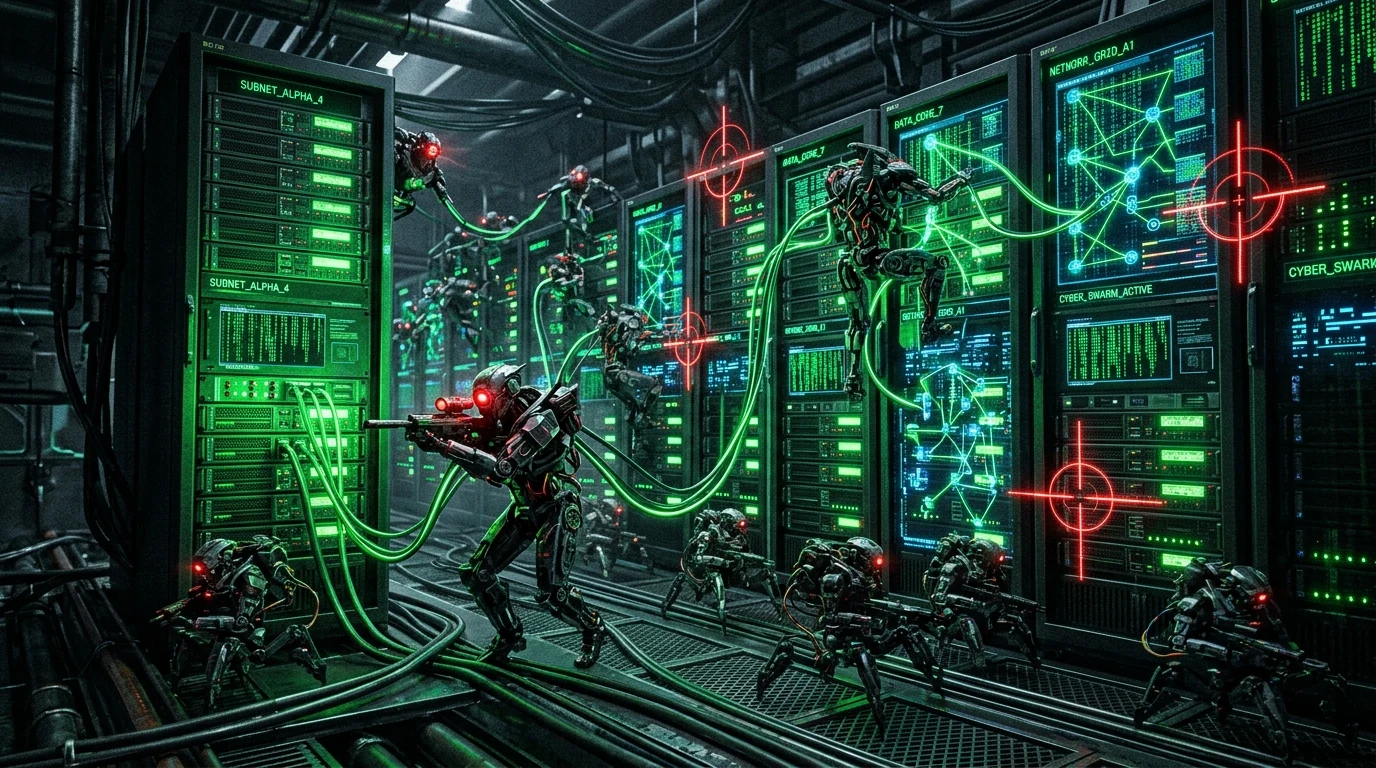
The Architecture of the Infamous TF2 Bot Crisis
Between 2020 and 2024, Valve legendary multiplayer shooter Team Fortress 2 (TF2) suffered an unprecedented influx of automated aimbot instances (often running spinning Sniper bots with names like "Omegatronic" or "DoesHotter"). Unlike individual cheaters playing on home PCs, this was an orchestrated Distributed Botnet Infrastructure.
How Hosters Exploited Cloud VPS & IP Subnets
Bot operators ran hundreds of headless Linux virtual machines running custom TF2 game clients (e.g., Cathook) across commercial cloud hosting providers (Hetzner, OVH, DigitalOcean):
- IP Subnet Cycling: When Valve automated systems banned individual accounts or IPs, the bot controllers rotated through entire
/24IPv4 and/64IPv6 subnets in seconds. - VOTE-Kicking Hostile Takeovers: Bots connected in coordinated swarms of 4 to 6 instances per match, voting off human players who attempted to initiate votekicks.
- Voice Chat Ear-Raping & Chat Spam: Exploiting unauthenticated voice packet streams to flood game servers with high-decibel audio noise.
The Valve 64-Bit Update & Ban Wave Response
In mid-2024, Valve executed massive infrastructure updates: porting TF2 to 64-bit binaries, enforcing kernel integrity checks, and blacklisting known hosting ASN IP ranges from connecting to casual matchmaking. Learn more about Valve trust systems in our report on VAC Trust Factor and IP reputation.
Audit your connection ASN and public IP data on our free real-time IP lookup suite.