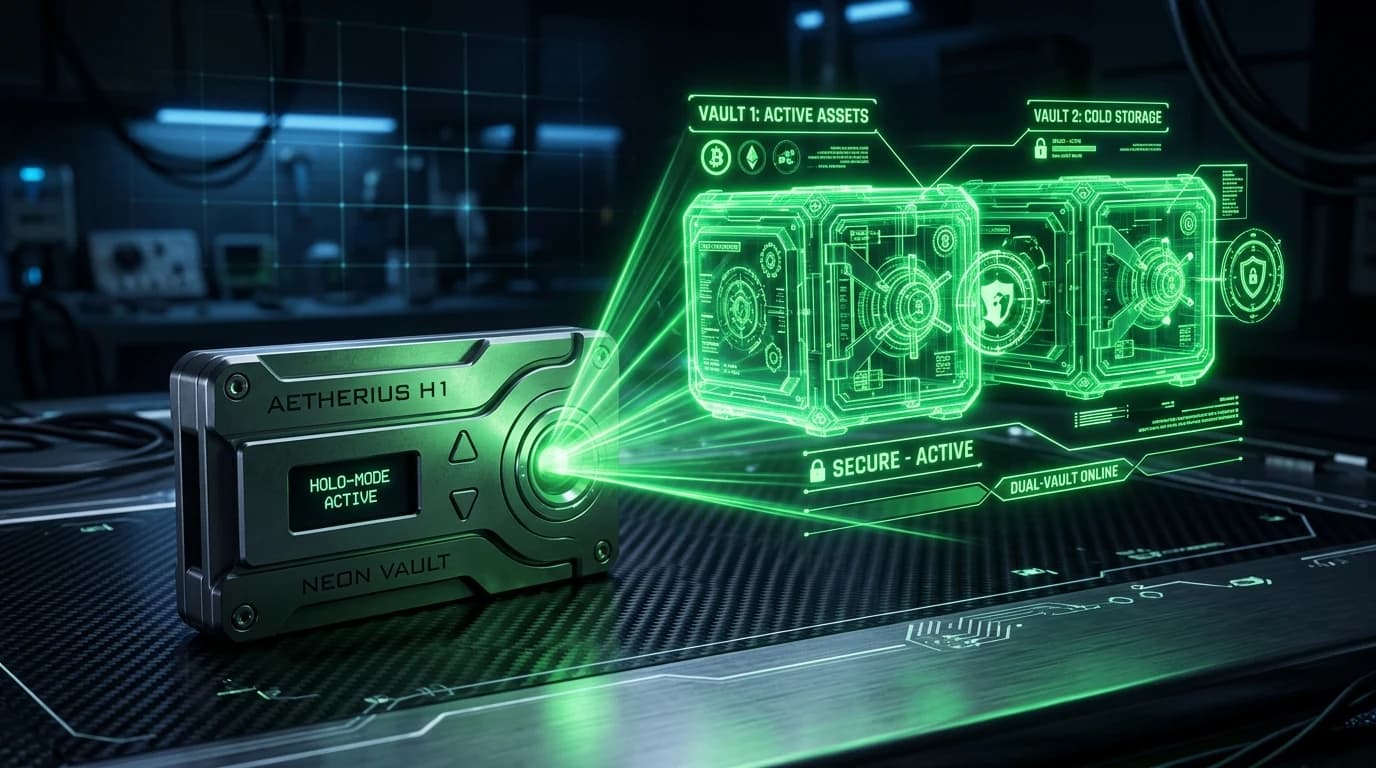
The Physical Vulnerability of the 24-Word Recovery Seed
Hardware wallets like Ledger Nano, Trezor Safe, and BitBox02 generate a 24-word BIP-39 recovery seed during initialization. While this protects assets against remote internet malware, storing a written seed phrase in your home creates vulnerability to physical theft or home burglary ($5 wrench attacks).
How the BIP-39 Passphrase (The "25th Word") Functions
The BIP-39 Passphrase is an optional user-defined string of characters that mathematically alters the master seed generation algorithm:
- Cryptographic Independence: Every unique passphrase generates a completely distinct set of private keys and wallet addresses from the exact same 24 seed words.
- No "Wrong Password" Error: Entering a typo simply opens a fresh, empty wallet. An attacker cannot verify whether a passphrase is correct or fabricated.
- Plausible Deniability Architecture: You can keep a modest balance (e.g., $200) in the standard 24-word wallet as a decoy, while storing the majority of your wealth in a hidden wallet unlocked only with your secret 25th word.
Best Practices for Passphrase Management
- Never write your 25th word on the same sheet or metal plate as your 24 seed words.
- Memorize your passphrase or store it in a secure, encrypted password manager.
Read our analysis on hardware wallet desktop app network telemetry.
Audit your connection privacy and verify zero WebRTC leaks using our free Web3 network inspector.